

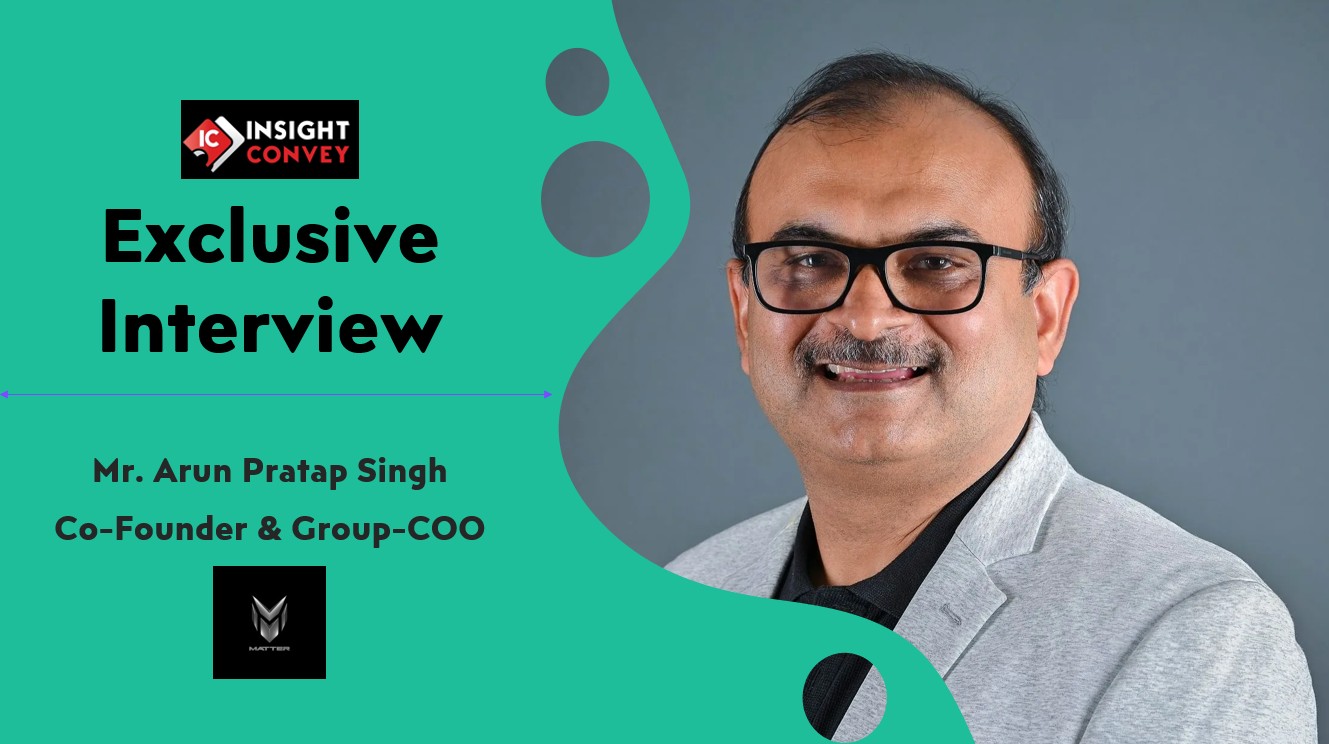
In a rapidly evolving electric two-wheeler market, innovation is the true differentiator. We had the opportunity to speak with a key spokesperson from Matter Energy, Mr. Arun Pratap Singh, Co-Founder and Group-COO the company behind ERA—India’s first electric motorcycle with a manual gearbox. Unlike most EV offerings that blur the line between scooters and motorcycles, ERA aims to bring back the thrill and control of traditional biking, while integrating cutting-edge tech like a 7-inch touchscreen, connected features, and onboard charging. In this conversation, we explore what makes the ERA stand out, why cities like Delhi were chosen for its launch, and how Matter is aligning itself with India’s energy and sustainability goals.
Read more:- Legend is Reborn: Kinetic Watts and Volts Revives the Iconic DX in an All-New Electric Avatar
What makes the AERA stand out from other electric motorbikes in the Indian market?
That’s a great question. The Indian electric two-wheeler market is broadly split into two categories—scooters and motorcycles. Unfortunately, what we’ve seen so far is that many offerings in the “motorcycle” category are essentially scooters with added bodywork—often lacking key features like a manual gearbox or a sense of engagement that riders expect from a motorcycle.
At Matter, we approached this differently. We’ve built the AERA with a manual gearshift, which is a significant first in the Indian EV space. This allows the rider more control, better power distribution, and a stronger emotional connection with the machine—much like traditional ICE motorcycles. It reintroduces the joy of riding, now with the efficiency and sustainability of electric power.
Why was Delhi chosen as a launch city for the AERA?
We’re rolling out AERA city-by-city. We’ve already launched in cities like Bangalore and Pune, and Delhi was a natural next choice.
Delhi is particularly important for a few reasons:
- It’s one of the cities most impacted by air pollution, so people here value and understand the importance of electric mobility.
- The residents are aware, forward-looking, and open to sustainable solutions.
- It also has a diverse consumer base—ranging from daily commuters to enthusiasts—which makes it an ideal city to showcase a product like AERA.
What are the advantages of combining manual control with EV power and connected intelligence?
The combination is unique and powerful. The manual gearbox gives riders more control and enhances the performance feel, which is especially meaningful for those familiar with traditional motorcycles. It brings back the thrill of riding.
On the connected intelligence side, our 7-inch touchscreen offers a wide range of smart features:
- Navigation and maps
- Bluetooth connectivity for calls and audio
- Telematics for vehicle diagnostics
- Real-time riding data
These features make the riding experience smarter and more convenient, addressing a gap in the two-wheeler segment where such features have traditionally been lacking.
What safety and comfort measures have been included, especially for urban Indian riders?
AERA is built with rigorous safety compliance. It meets and exceeds CMVR regulations and has undergone extensive testing. For urban convenience, we’ve included a universal 5-amp charging slot, meaning you can plug in and charge from almost any socket—no special charger is necessary.
Beyond that, we’re planning to deploy a dedicated fast-charging network across major cities to further support our users.
What role does the Matter EV Verse App play in a rider’s daily life?
The MatterVerse app is a comprehensive companion to the vehicle. Through the app, riders can:
- Check the state of charge (SOC) remotely
- Track the vehicle’s live location
- View range estimations and ride statistics like top speed, lean angles, and distance
- Get charging updates when the vehicle is plugged in
It brings the vehicle into the digital age, offering real-time insights and enhancing the user’s engagement with their motorcycle.
What kind of cost savings can a typical user expect over 3 years of ownership?
Let’s take a simple example. A typical rider does about 14,000–15,000 km/year. At an EV operating cost of roughly ₹0.20/km, that’s a huge saving compared to fuel-based bikes, which often cost around ₹2–3/km.
Over three years, you could be saving over ₹1 lakh in fuel costs alone. That’s significant value, especially when combined with lower maintenance expenses in EVs.
Who is the AERA designed for—commuters, enthusiasts, or both?
AERA is very much a sports bike, so it naturally appeals to enthusiasts. But it’s also designed for daily riders who don’t want to compromise on performance, style, or technology.
It offers:
- A manual gearbox
- A liquid-cooled motor
- A 7-inch touchscreen
- A built-in charger
These features ensure it delivers both daily utility and riding excitement.
What’s next in Matter’s product pipeline for electric mobility?
Our product roadmap is quite robust. We plan to launch a new vehicle every year for the next three years. The aim is to transition from premium offerings to more mass-market solutions, making high-quality EVs accessible to more people.
Each upcoming product will focus on different segments and user needs, while maintaining our brand’s core values of innovation, technology, and performance.
Read more:- DesignX Closes $2M Pre-Series A Led by Rockstud Capital, We Founder Circle & Others
How does Matter contribute to India’s goals for energy independence and sustainable mobility?
That’s an important question. India currently imports over 80% of its crude oil, and 60% of petrol consumption comes from two-wheelers—with motorcycles making up 70% of that premium market.
By introducing electric motorcycles like the AERA, Matter directly addresses this challenge. Our aim is to reduce dependency on oil, cut emissions, and drive self-reliance in mobility.
Moreover, everything—from technology development to manufacturing—is being done in India. Our mission is to prove that world-class EVs can be designed, built, and trusted in India.
Follow: InsightConvey

