

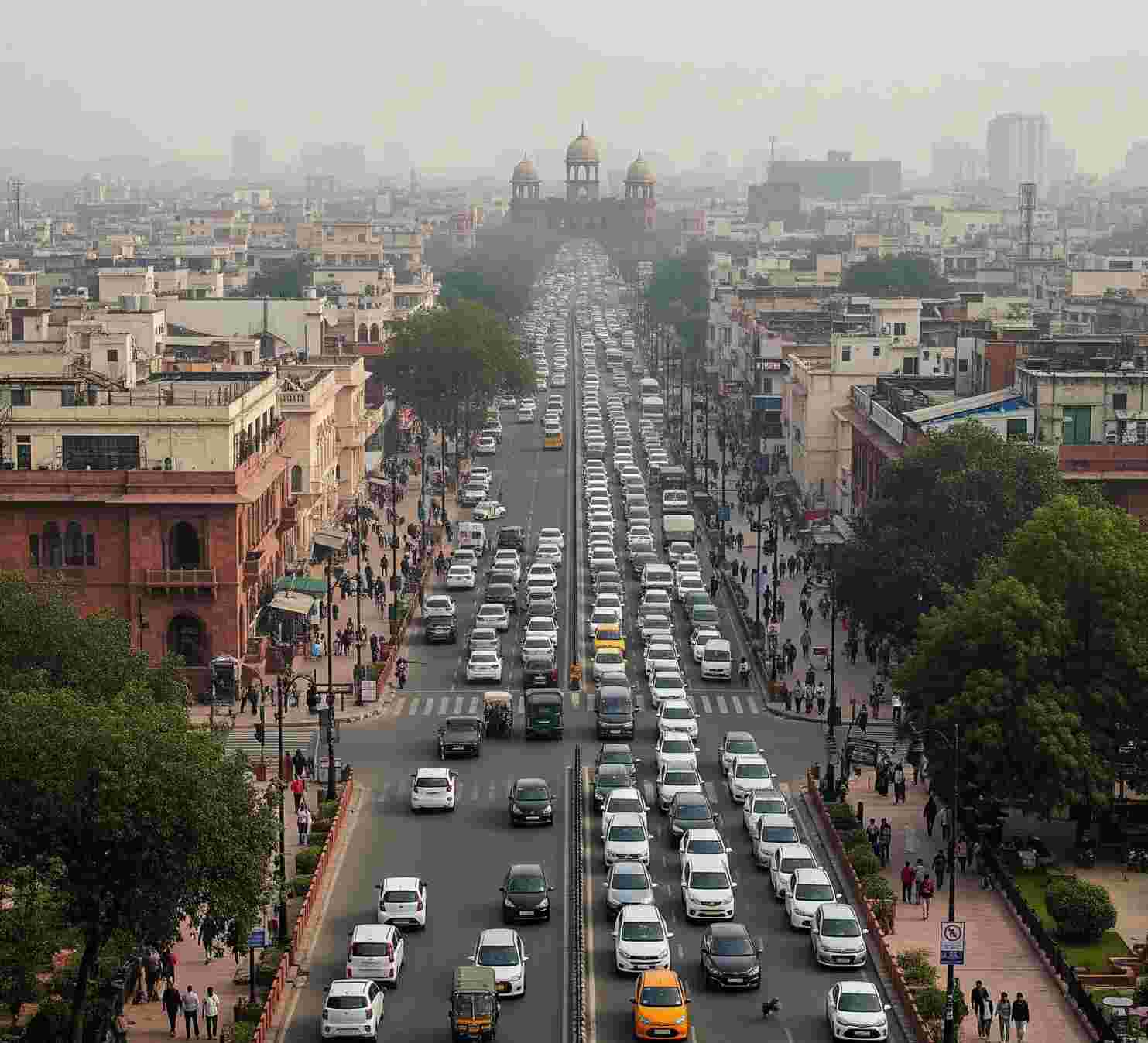
The recent freeze on Delhi’s fuel ban has offered temporary relief to urban mobility firms, particularly those operating older diesel fleets. Initially introduced to combat rising air pollution, the ban threatened to disrupt logistics providers, cab aggregators, and last-mile delivery networks. While the freeze delays immediate disruption, it creates uncertainty around future enforcement, complicating planning for cleaner fleet upgrades.
Read more:- D2C Tech Brands: Hype or Sustainable?
According to Mr. Wahid Raza, Business Head – VAS of TrucksUp, the uncertainty is placing operational and strategic stress on the ecosystem. “Mobility companies, especially small and mid-sized operators, are considering a shift to EVs or CNG-powered vehicles. However, high capital costs, limited charging infrastructure, and lack of accessible financing remain major obstacles,” he explained.
A sustainable shift to cleaner fleets will need more than policy freezes. As Raza pointed out, stronger government backing is essential to support a viable transition. This includes targeted road tax exemptions, accessible green vehicle loans, and a clearly phased implementation roadmap that enables stakeholders to plan for the long term.
India has a track record of managing large-scale transitions. As Raza noted, “Telecom reforms enabled the shift from 2G/3G to 4G/5G through spectrum policy updates and reduced import duties.” Similarly, electric mobility received a boost through FAME II, which has driven significant EV adoption across the country.
The current pause on the fuel ban serves as a moment of reflection—but without coordinated action, the deeper challenges of fleet electrification and urban emissions may resurface more sharply in the months ahead.
Follow: InsightConvey

