

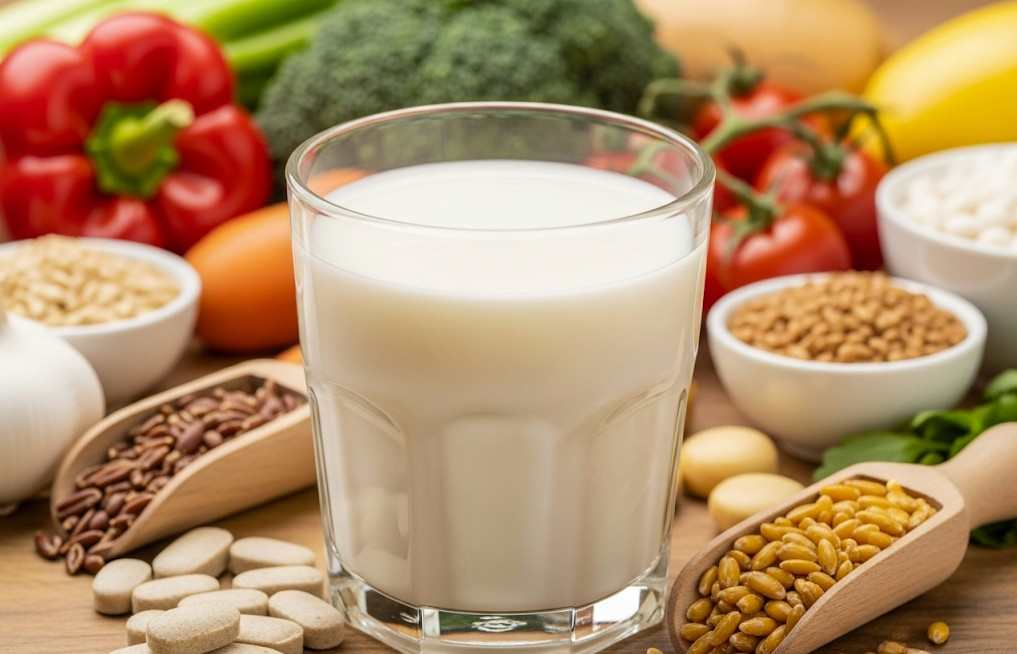
In today’s health-conscious world, food fortification has become a buzzword, especially when it comes to everyday staples like milk. Fortified milk—enhanced with additional nutrients such as vitamin D, calcium, vitamin A, or iron—is marketed as a smarter, more nutritious choice. Proponents claim it helps bridge nutritional gaps, particularly for populations at risk of deficiencies. But as consumers become more discerning about what they consume, the question arises: Is fortified milk truly healthier, or is it just clever marketing? This discussion explores the science, benefits, and potential drawbacks of fortified milk to help you decide whether it’s a worthwhile addition to your diet.
Watch Full Interaction:- Are Vegan Products Effective? Xyst Co-Founder Sets the Record Straight | Gunjan Agarwal
Dr Kushal Agrawal, HOD, Department of Neonatology and Paediatrics of KVR Hospital highlights milk is an essential part of most Indian children’s diets. But is fortified milk—milk enriched with extra vitamins and minerals—really healthier? From a pediatrician’s point of view, the answer is a clear yes, especially in the Indian context.
Why fortification is needed in India
Many Indian kids are falling short on key nutrients like Vitamin D, iron, and zinc. This is mainly due to indoor lifestyles, poor sunlight exposure, and diets low in fresh fruits, vegetables, and animal products. Fortified milk steps in to fill these gaps.
The Indian government and FSSAI now encourage fortification of milk with Vitamin A and D, and many dairies have begun this. Still, it’s not yet the norm everywhere.
What does fortified milk contain?
Fortified milk may contain:
- Vitamin D – crucial for bone development, especially since most kids aren’t getting enough sunlight.
- Vitamin A – supports vision and immune health.
- Iron and Zinc – important for growth and preventing anemia.
- Other nutrients like selenium, copper, and Vitamin C in some brands.
Does it actually work?
Yes. A major study in North India showed that kids who drank fortified milk:
- Had 18% fewer episodes of diarrhoea,
- 26% less risk of pneumonia, and
- 15% fewer days of severe illness compared to those who drank regular milk.
These benefits were even stronger in children under two years of age—when nutrition matters the most.
Is it safe?
Absolutely. Fortified milk uses safe levels of nutrients, and unlike vitamin tablets, there’s minimal risk of overdose. Plus, kids accept milk much better than capsules or syrups.
Bottom line
In a country where malnutrition still affects millions of children, fortified milk is a smart, safe, and easy way to boost kids’ health. As a pediatrician, I highly recommend parents look for the “+F” label on milk packs and include fortified milk in their child’s daily diet—especially during the early years.
Ms Umashakthy G, Senior Dietician, Dr. Mohan’s Diabetes Specialities Centre said fortification is enriching the regular milk with additional nutrients which are not naturally present in required amounts. Nutrients like vitamin D, Vitamin A, calcium, Iron, B12 are usually fortified. This enhancement aims to fill nutritional gaps, particularly in populations vulnerable to deficiencies.
One of the most notable benefits of fortified milk is its role in bone and dental health. The addition of vitamin D helps the body absorb calcium more effectively, which is vital for maintaining strong bones and preventing osteoporosis. Fortified milk also supports immunity, vision, and red blood cell production through vitamins A and B12.
However, the health impact depends on an individual’s diet. For people already meeting their nutritional needs through a balanced diet, the additional nutrients may not offer significant benefits. On the other hand, for children, older adults, vegans, and individuals with limited sun exposure, fortified milk can be a valuable source of essential nutrients.
It is also important to choose milk with no added sugars or unnecessary additives.
In conclusion, fortified milk can be healthier, especially for those at risk of nutritional deficiencies. It serves as a convenient way to support overall health when incorporated into a balanced diet.
Read more:- How corporates are evolving policies to support new-age parenting
Dr Rita Bakshi, Senior Gynecologist and Co-founder of RISAA IVF said fortified milk is regular cow’s milk with some extra vitamins, mainly vitamins A and D. These vitamins help to fix common health problems which are caused by not getting enough nutrients. Fortified milk is very helpful in places like India, where many people don’t get enough vitamins from their food. For example, one glass of fortified milk can give about 15% of the daily need for vitamin D and 20% for vitamin A. However, this doesn’t change the milk’s taste or feel.
Additionally, studies show that fortified milk is especially good for children. In North India, kids who drank fortified milk had 18% fewer cases of diarrhea and 26% fewer chest infections in comparison to kids who drank regular milk. It also helps to improve iron levels and lowers anemia.
In short, fortified milk is an easy and good way to get important nutrients. It helps the immune system, keeps bones strong, and supports healthy growth.
Follow: InsightConvey

